What to Do After a Pipe Burst in Dunwoody, GA
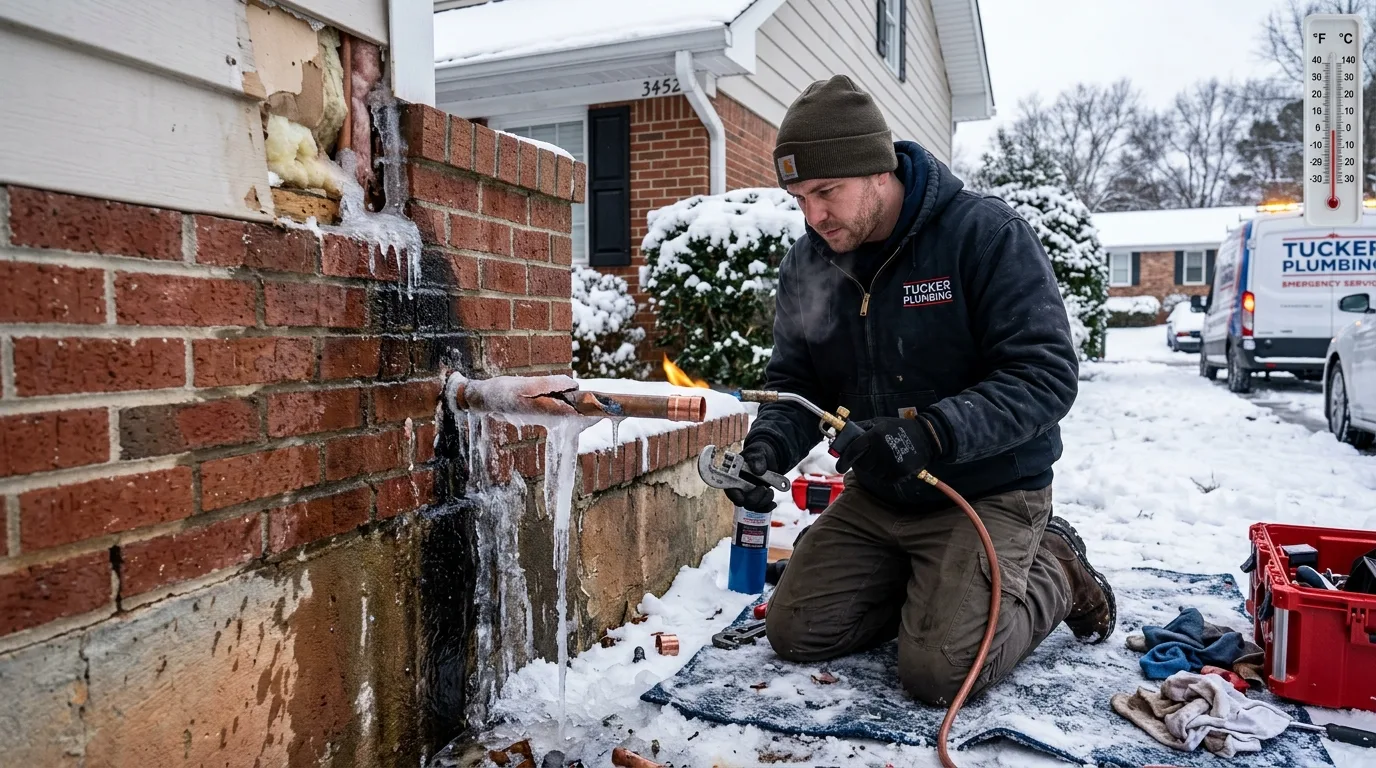
A burst pipe in a Dunwoody home can release dozens of gallons per minute. Whether it happens at 2pm on a Tuesday or at 3am during a winter freeze, the actions you take in the first five minutes determine whether this is a $3,000 extraction and drying job or a $25,000 reconstruction project. This guide gives you the exact steps to follow the moment a pipe bursts in your Dunwoody, GA home — and explains what happens after you call for emergency water extraction.
Pipe Burst in Dunwoody? Call Right Now
24/7 emergency water extraction. Every minute of delay increases damage. Call (877) 698-1311.
Why Dunwoody Pipe Burst Events Are More Destructive
A burst pipe in a Dunwoody home produces more structural damage per hour than comparable events in drier climates — and the reason is the interaction between the flowing water and Georgia’s ambient humidity. In a dry market, extracted materials can begin drying while restoration equipment is still being set up. In Dunwoody, extracted materials are simultaneously absorbing moisture from the air at 80%+ relative humidity during summer months. This double-loading effect means that every hour a pipe burst goes unaddressed during Dunwoody’s summer storm season generates substantially more material saturation than in lower-humidity markets.
Add to this the characteristics of Dunwoody’s housing stock: the 1985–2005 CPVC-era homes that make up a large portion of Dunwoody’s housing inventory have supply line fittings that become brittle with age and thermal cycling. When a CPVC fitting fails — at a 90-degree elbow under the kitchen sink, or at a tee-fitting behind a bathroom wall — the failure is typically sudden and complete, not a gradual drip. A fully failed 1/2” supply line running at typical residential pressure releases 2–5 gallons per minute. In 60 minutes undetected, that’s 120–300 gallons of water in your home’s structure.
Steps to Take Immediately
Step 1: Shut Off the Main Water Supply
This is the single most important action. Know where your main water shutoff valve is before an emergency. For Dunwoody homes, typical locations are:
- In the garage, on the wall adjacent to the water meter
- In a basement or mechanical room
- At the street, in the meter box (requires a meter key or adjustable wrench)
Turn the valve completely clockwise until it stops. The flow of water stops within seconds of shutoff. If the shutoff valve is stuck or inoperable, call your water utility’s emergency line while you take steps 2–5.
Step 2: Cut Power to Affected Rooms
If water is present near electrical outlets, switches, or appliances — or if you are unsure — turn off the circuit breaker for the affected area before entering. Electricity and standing water present lethal hazard. In Dunwoody’s Heritage at Dunwoody and Village Mill homes with finished basements, home theater systems, and in-floor electrical connections, this step is especially critical.
Step 3: Document Everything Immediately
Before moving any furniture or attempting any cleanup, take photos and video of the full affected area. Walk the entire space and capture:
- The source of the water (visible pipe break, if accessible)
- All standing water
- All wet materials (flooring, drywall, furniture, belongings)
- Any ceiling staining or wall discoloration
- Any electronics or valuables at risk
These photos are your most important insurance asset. The restoration company can document the scope of damage in technical terms, but original-condition photos can only be captured once.
Step 4: Contact Your Insurance Carrier
Call within 24 hours of discovery — most policies require prompt reporting. Have your policy number ready and describe the cause of loss as specifically as possible. If you believe it was a CPVC fitting failure (common in Dunwoody’s 1985–2005 homes), say so. If you don’t know the cause, say the water was discovered coming from inside a wall or ceiling.
Step 5: Call a Restoration Professional
Call Dunwoody Water Damage Restoration or another IICRC-certified restoration company immediately. Do not wait to hear from your insurance carrier before calling a restoration company — your policy typically requires you to mitigate ongoing damage promptly, and waiting for adjuster approval before calling for extraction is not required. We respond 24/7 via GA-400 and I-285 to Dunwoody addresses.
Emergency Restoration — We're 24/7 in Dunwoody
IICRC certified. Works with all insurance. Call (877) 698-1311 now.
What Happens After the Crew Arrives
Initial assessment (30 minutes): Thermal imaging scan of all affected areas — identifying moisture migration that is not visually apparent. The thermal image shows which materials have elevated moisture content, which structural pathways water has traveled, and the true extent of the affected area (always larger than visible surface evidence suggests).
Extraction: Truck-mounted extraction removes standing water from floors and surface-absorbed water from carpet and pad. This phase typically takes 1–4 hours depending on water volume.
Equipment setup: Commercial dehumidifiers and air movers are positioned according to psychrometric calculations for Dunwoody’s conditions. In summer, this includes LGR dehumidifiers for above-grade spaces; desiccant units if basement concrete block is affected.
Controlled demolition (if needed): Wet drywall below the flood line, saturated insulation, and Category 2/3-contacted materials are removed during the first day. This is protective — it prevents mold from growing inside enclosed wall cavities.
Daily monitoring: Technicians return each day to take moisture readings, adjust equipment positioning, and document progress. Restoration is complete when every affected material reaches its target moisture content per IICRC S500 standards.
Practical Uses
CPVC fitting inspection schedule: If your Dunwoody home was built between 1985 and 2005, have a plumber inspect accessible CPVC supply line fittings during every service call. Pay particular attention to: 90-degree elbows (most common failure point), fittings adjacent to exterior walls (thermal stress), and any fitting that has become discolored or shows surface crazing.
Post-burst plumbing assessment: After any burst pipe event, have a licensed plumber assess the remaining supply lines in the same material and era. A single CPVC fitting failure is often an indicator that adjacent fittings are in similar condition. Replace remaining CPVC proactively or upgrade to PEX during the restoration scope.
Valves under sinks: Test the angle stop valves under sinks and toilets annually. These isolation valves allow you to shut off water to an individual fixture without shutting off the whole house — critical if the burst pipe is at a fixture you can identify quickly.
Water detection technology: Automatic water shutoff systems (leak detection sensors connected to main supply valves) can shut off water supply automatically when a leak is detected — limiting release to the initial burst rather than the full duration until someone discovers the event. These systems cost $200–$600 installed and are increasingly standard in high-value Dunwoody homes.
Frequently Asked Questions
How long will restoration take after a pipe burst in Dunwoody?
For a standard above-grade supply line burst (Category 1 clean water), expect 3–5 days for structural drying followed by 1–2 weeks for reconstruction. In Dunwoody’s summer humidity, drying takes longer than in drier climates — dehumidification equipment may run for 5–7 days before moisture readings reach target. See the timeline breakdown in our water damage restoration guide for Dunwoody.
My drywall looks dry — is it actually dry?
Surface appearance is unreliable in Dunwoody. Drywall can feel dry to the touch while having elevated moisture content inside the gypsum core. Paper facing that appears dry on the room side can have a wet exterior face hidden inside the wall cavity. Only calibrated pin or pinless moisture meters verify dryness to IICRC standards. See our explanation of why surface appearance isn’t enough in the humidity and drying guide.
The pipe that burst was from the 1980s — should I replace all my supply lines?
If the burst was from original or early-era CPVC, this is worth evaluating with your plumber. A single fitting failure in aging CPVC indicates systemic brittleness — adjacent fittings are under the same thermal cycling stress and may fail next. A full repipe to PEX costs $4,000–$15,000 depending on home size but eliminates the recurring failure risk from an entire class of plumbing. During a major restoration project is an efficient time to do this work, as walls are already open during reconstruction.
Pipe Burst Recovery in Dunwoody — Expert Team
IICRC certified, Georgia licensed, full insurance documentation. Call (877) 698-1311.
Related resources: